This 4K travel documentary takes you beyond the typical tourist experience to uncover the real Bali most people miss.
Beyond the beach clubs of Seminyak and the “Instagram queues” of Ubud lies an island that still pulses with an ancient, quiet rhythm. To find the “Real Bali” in 2026, you have to travel north and east, where the air is cooler and the Subak (irrigation) systems still dictate the pace of life.
Here is the Bali most people drive right past.
1. Sidemen Valley: The “Old Ubud”
While Ubud has become a bustling hub for digital nomads, Sidemen (pronounced See-da-men) remains a sanctuary of emerald-green rice terraces and mist-covered hills.
-
The Vibe: No traffic, no pushy vendors—just the sound of the Telaga Waja River and farmers tending to their plots.
-
Don’t Miss: Take a weaving workshop. Sidemen is the heart of Songket and Endek textiles. Watching an elder artisan work a handloom is far more moving than any souvenir shop experience.
-
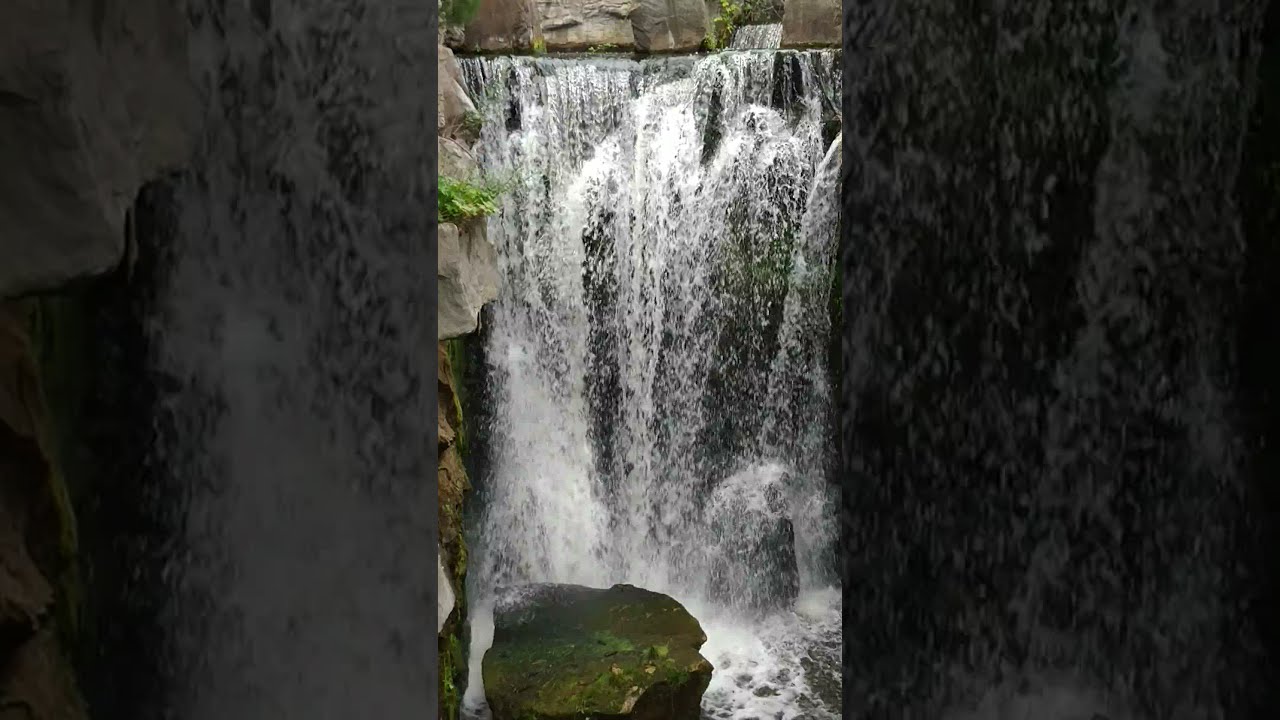
Hidden Spot: Gembleng Waterfall. It features a natural infinity pool overlooking the entire valley, usually without the crowds of Tegenungan.
2. The Far North: Munduk & Bedugul
Most tourists stop at the “Gates of Heaven” for a photo and turn back. If you keep driving into the central highlands, the landscape transforms into a moody, temperate rainforest.
-
Munduk: This mountain village is famous for coffee, cloves, and hydrangeas. The trekking here is unmatched—you can hike from waterfall to waterfall (like Banyumala Twin Falls) through vanilla and cacao plantations.
-
Lake Tamblingan: Skip the crowded lake temples and head here. It’s a sacred, “spiritual” lake where you can take a traditional dugout canoe across the water to reach ancient, vine-covered temples like Pura Dalem Tamblingan.
3. East Coast Authenticity: Amed & Tulamben
Forget the white sand of the south; the east coast is defined by dramatic black volcanic sand and the towering presence of Mount Agung.
-
The “Underwater Temple”: In Jemeluk Bay, you can snorkel over a small underwater post office and shrines—part of a reef restoration project that feels like a sunken city.
-
Local Life: Wake up at 5:00 AM to see the jukung (traditional outrigger boats) return from the sea. You can buy fish directly from the fishermen on the shore for a few dollars and have a local warung grill it for you.
4. The Bali Aga Villages (The Original Balinese)
For a deep dive into history, visit the villages of the Bali Aga, the indigenous people who lived here before the Majapahit Hindu influence arrived.
-
Tenganan Pegringsingan: Known for its unique walled layout and the “Pandanus War” (Mekare-kare) ceremony. They are the only people in the world who produce Geringsing (double ikat) fabric, believed to have protective magical powers.
-
Penglipuran Village: Often cited as one of the cleanest villages in the world, its bamboo-tiled roofs and symmetrical architecture offer a masterclass in traditional Balinese spatial design (Tri Hita Karana).
5. West Bali National Park
Hardly anyone makes the 4-hour trek to the western tip of the island, which is why it remains pristine.
-
Menjangan Island: This is arguably the best snorkeling and diving in Bali. The reef drop-offs are spectacular, and you’ll likely share the beach with wild Javan Rusa deer that enjoy a morning dip in the ocean.
A Note on Etiquette in 2026
The “Real Bali” survives because of its residents’ devotion to ritual. In these quieter areas:
-
Dress Modestly: Always carry a sarong and sash in your scooter seat.
-
Respect the Offerings: You will see Canang Sari (small palm-leaf baskets) everywhere. Avoid stepping on them; they are daily conversations between the people and the gods.
-
Go Slow: The best way to see the real Bali is to hire a local driver or rent a scooter and purposefully take the “scenic” (longer) route.
Would you like me to put together a 3-day “Off-the-Beaten-Path” itinerary for one of these regions?