 Vblog Switzerland
 Ticino Guides
Swiss Alps Travel Guide: Best Places to Visit, Things to Do and Travel Tips
The Swiss Alps are one of Europe’s most spectacular travel destinations, combining dramatic mountain peaks, turquoise lakes, charming alpine villages and some of the world’s most scenic railway journeys. Whether you dream of seeing the Matterhorn, exploring the waterfalls of Lauterbrunnen or enjoying a panoramic train ride through the mountains, Switzerland offers unforgettable experiences in every season.
But the Swiss Alps are vast, and each region has its own character. The Jungfrau Region is famous for its iconic peaks and traditional villages, Zermatt offers spectacular Matterhorn views, Central Switzerland combines mountains with beautiful lakes, and St. Moritz brings a touch of alpine glamour.
This Swiss Alps travel guide explores the best places to visit, the top attractions, the best time to travel and practical tips to help you plan your adventure.
Swiss Alps at a Glance
- Best for first-time visitors: Jungfrau Region and Lucerne
- Best mountain views: Zermatt and the Matterhorn
- Best alpine villages: Lauterbrunnen, Wengen and Mürren
- Best for luxury and winter sports: St. Moritz
- Best time for hiking: June to September, depending on altitude and trail conditions
- Best time for skiing: Generally December to March, depending on the resort
- Currency: Swiss franc (CHF)
- Getting around: Trains, buses, boats, mountain railways and cable cars
- Recommended trip length: 7–10 days to explore several regions
1. Jungfrau Region: The Heart of the Swiss Alps
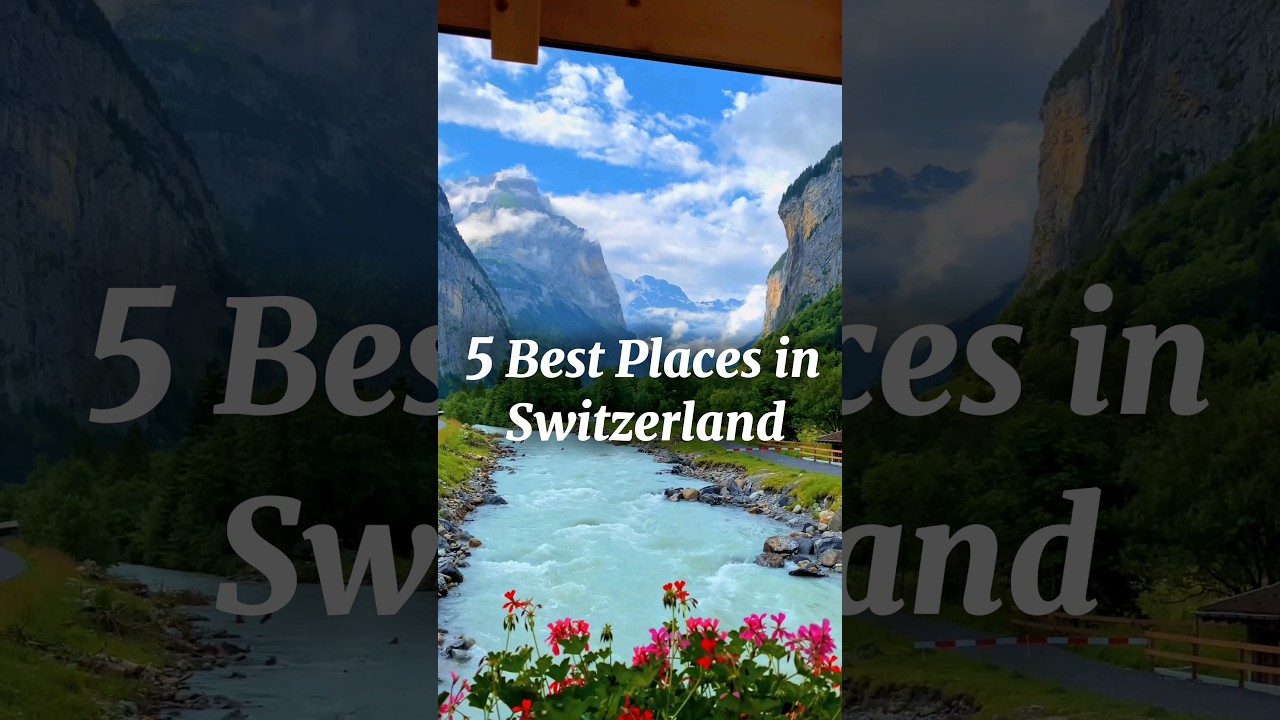
The Jungfrau Region, in the Bernese Oberland, is one of Switzerland’s most celebrated alpine destinations. Its landscape features the Eiger, Mönch and Jungfrau peaks, deep valleys, spectacular waterfalls and traditional villages surrounded by mountain scenery.
Interlaken is a convenient transport hub, while Grindelwald, Lauterbrunnen, Wengen and Mürren offer different ways to experience the mountains.
Top places to visit in the Jungfrau Region
Jungfraujoch – Top of Europe
Jungfraujoch sits at 3,454 metres above sea level and is home to Europe’s highest railway station. The journey takes you into a remarkable world of snow, ice and panoramic views, with attractions including the Ice Palace and Sphinx viewing platform.
It is one of Switzerland’s most memorable mountain excursions, but tickets can be expensive. Check the weather forecast and ticket conditions before booking, as visibility can greatly affect the experience.
Lauterbrunnen Valley
Lauterbrunnen is famous for its steep cliffs, green meadows and waterfalls. The village is an excellent starting point for exploring the surrounding mountains and nearby car-free resorts.
Allow time to enjoy the valley on foot, take photographs of Staubbach Falls and explore the quieter paths beyond the village centre.
Trümmelbach Falls
Located inside the mountain near Lauterbrunnen, Trümmelbach Falls consists of a series of powerful glacier-fed waterfalls. A system of tunnels, paths and lifts makes parts of this dramatic natural attraction accessible to visitors.
Opening periods and access can depend on seasonal conditions, so check locally before visiting.
Grindelwald First
Grindelwald First is a popular mountain excursion for panoramic views, hiking and outdoor activities. The First Cliff Walk offers an exhilarating walkway above the landscape, while seasonal options can include the First Flyer, First Glider and mountain carts.
Schilthorn and Piz Gloria
Schilthorn offers sweeping views of the surrounding peaks and is famous for its revolving Piz Gloria restaurant, featured in the James Bond film On Her Majesty’s Secret Service. The Birg Thrill Walk adds an adventurous element to the excursion.
Harder Kulm
Overlooking Interlaken, Harder Kulm offers impressive views of Lake Thun, Lake Brienz and the surrounding mountains. It is a particularly attractive choice for travellers who want a panoramic excursion without committing to a full-day alpine adventure.
How long should you stay?
Plan at least three days for the Jungfrau Region. This gives you time to visit Lauterbrunnen, explore Grindelwald and choose one major mountain excursion, with flexibility for changing weather.
2. Zermatt: Home of the Matterhorn
Zermatt, in the canton of Valais, is one of the most iconic destinations in the Swiss Alps. The village is known for its car-free centre, traditional alpine atmosphere and spectacular views of the Matterhorn.
The mountain’s distinctive pyramid-shaped summit is one of Switzerland’s most recognisable natural landmarks.
Best things to do in Zermatt
Matterhorn Glacier Paradise
Reach the high alpine world of Klein Matterhorn by cable car and discover panoramic viewpoints, glacier scenery and the Glacier Palace when operating. The altitude is considerable, so take your time and pay attention to how you feel.
Gornergrat Railway
The Gornergrat cogwheel railway climbs above Zermatt to a spectacular viewpoint overlooking the Matterhorn, Monte Rosa and the Gorner Glacier. It is one of the best excursions for travellers who want dramatic scenery without undertaking a demanding hike.
Hiking around Zermatt
The region has an extensive network of walking and hiking trails, ranging from easy panoramic routes to demanding mountain adventures. Popular routes offer changing perspectives of the Matterhorn, alpine lakes and glaciers.
Always check trail conditions, weather forecasts and lift operations before setting out.
Skiing and snowboarding
Zermatt is a major winter sports destination, with high-altitude skiing and an international ski area connecting with Italy. Conditions and available terrain vary by season.
How long should you stay?
Allow two or three days to explore the village, enjoy a mountain excursion and experience the surrounding trails or ski area.
3. Lucerne and Central Switzerland: Mountains, Lakes and Scenic Railways
Central Switzerland is an excellent choice for travellers who want to combine alpine landscapes with historic towns and beautiful lake scenery. Lucerne makes a convenient base for boat trips, mountain excursions and scenic railway journeys.
Mount Pilatus
Known as the Dragon Mountain, Mount Pilatus rises above Lucerne and offers panoramic views across the lake and surrounding Alps.
In the operating season, visitors can reach the mountain by cableway and gondola from Kriens or by the famous steep cogwheel railway from Alpnachstad. The railway and cableway routes have different seasonal schedules, so check the timetable when planning your trip.
Mount Rigi
Often called the Queen of the Mountains, Mount Rigi offers expansive views over Lake Lucerne, other lakes and the Swiss Plateau. Historic mountain railways make the summit accessible without a strenuous hike.
Rigi is particularly appealing to visitors who enjoy gentle walks, panoramic terraces and a relaxed day in the mountains.
Stanserhorn
The Stanserhorn excursion is known for the CabriO cable car, which has an open upper deck. The journey offers impressive views of the surrounding landscape and is a memorable experience for visitors interested in Switzerland’s mountain transport.
Lake Lucerne cruises
A boat trip on Lake Lucerne is one of the region’s most relaxing experiences. The lake is surrounded by steep mountains, historic villages and attractive waterfront scenery.
Combine a cruise with a visit to Lucerne’s Old Town, Chapel Bridge and lakeside promenades for a varied day.
How long should you stay?
Two days are enough for Lucerne and one mountain excursion. Three or four days allow you to explore Pilatus, Rigi or Stanserhorn and enjoy a longer boat trip.
4. St. Moritz and the Engadine Valley: Alpine Elegance
St. Moritz, in the canton of Graubünden, is famous for luxury hotels, fine dining, winter sports and a sophisticated alpine atmosphere. It is also an excellent starting point for discovering the wider Engadine Valley.
The region combines high mountain scenery with traditional villages, clear lakes and a distinctive local culture.
Best things to do in St. Moritz
- Enjoy winter sports: The surrounding area offers skiing, snowboarding and other seasonal activities.
- Explore Lake St. Moritz: Walk along the lake and admire the mountain scenery. Activities on the frozen lake depend on weather and official safety conditions.
- Discover the Engadine villages: Explore nearby places such as Sils and Silvaplana for traditional architecture, lakeside walks and a quieter alpine atmosphere.
- Take a scenic train journey: The wider region is served by the Rhaetian Railway, with routes through spectacular mountain landscapes.
- Relax in style: St. Moritz is known for upscale hotels, spas and restaurants, although there are also opportunities to enjoy the region on a more moderate budget.
How long should you stay?
Two days provide a good introduction to St. Moritz. Stay longer if you want to explore the Engadine, hike in summer or enjoy several days of winter sports.
5. The Best Time to Visit the Swiss Alps
The Swiss Alps are a year-round destination, but the experience changes significantly with the seasons. Your ideal travel period depends on whether you prefer hiking, skiing, sightseeing or quieter villages.
Summer: June to September
Summer is generally the best season for hiking, mountain biking, lake excursions and exploring alpine villages. Many mountain railways and cable cars operate more frequently, although opening dates vary by location.
At higher elevations, snow can remain on trails well into summer. Always check local conditions before planning a hike.
Autumn: September to October
Autumn brings colourful forests, crisp air and quieter landscapes in many areas. It can be an excellent time for photography and village visits, although some mountain facilities begin closing for seasonal maintenance.
Winter: December to March
Winter transforms many alpine resorts into destinations for skiing, snowboarding, sledging and winter walks. Zermatt, St. Moritz and the Jungfrau Region are among the best-known winter destinations.
Snow conditions, opening dates and the length of the ski season vary with altitude and weather.
Spring: April to May
Spring can be a quieter period for visiting Swiss towns and lower-elevation destinations. However, some mountain transport services may be closed between winter and summer operations, and higher hiking trails may remain inaccessible.
For a trip focused on mountain excursions, check opening calendars before booking accommodation.
6. How to Get Around the Swiss Alps
Switzerland has an extensive public transport network, making it possible to explore many alpine destinations without renting a car.
Travelling by train
Trains connect major cities and regional hubs with many mountain destinations. Journeys are often part of the experience, thanks to views of lakes, valleys and peaks.
Interlaken is a useful base for the Jungfrau Region, while Visp provides connections towards Zermatt. Lucerne and Chur are important hubs for exploring Central Switzerland and Graubünden.
Mountain railways and cable cars
Cogwheel railways, funiculars, gondolas and cable cars make many viewpoints accessible. However, not every excursion is included in a national travel pass, and some journeys require a separate ticket or supplement.
Always check the exact route, operating dates and fare conditions before departure.
Is the Swiss Travel Pass worth it?
The Swiss Travel Pass can be useful for international visitors planning to travel frequently by train, bus and boat. It also provides access to public transport in many Swiss towns and free admission to participating museums, with discounts on many mountain excursions.
However, not every mountain railway or cable car is fully included. Some offer reduced fares rather than free travel, and particularly popular excursions may require additional tickets.
Compare the pass price with the journeys you plan to take before buying it. If you intend to stay mainly in one region, a regional pass may offer better value.
Official information: https://www.sbb.ch/en/offers/swiss-travel-pass
Should you rent a car?
A car can be useful for exploring remote valleys and travelling at your own pace, but it is not essential for most popular Swiss Alps itineraries. Some resorts, including Zermatt and Mürren, are car-free or have restricted vehicle access.
If you drive on Swiss motorways, check the current vignette requirements and price before travelling.
7. What to Pack for the Swiss Alps
Mountain weather can change rapidly, even in summer. Packing for several conditions will make your trip more comfortable.
- Layered clothing: Bring warm layers even if the forecast looks sunny.
- Comfortable hiking shoes: Choose footwear suitable for the terrain you plan to explore.
- Waterproof jacket: Rain and sudden weather changes are possible.
- Sun protection: Sunglasses, sunscreen and a hat are important at high altitude.
- Reusable water bottle: Switzerland has excellent drinking water, but check local signs at individual fountains.
- Daypack: Useful for water, snacks, an extra layer and essential items.
- Power adapter: Switzerland commonly uses Type J sockets. Some two-pin European plugs may fit certain sockets, but compatibility varies.
- Offline maps and tickets: Download useful information before heading into areas with limited mobile coverage.
For high-altitude excursions, remember that temperatures can be much lower than in the valleys.
8. How Much Does a Trip to the Swiss Alps Cost?
Switzerland is generally an expensive destination, and mountain excursions can add significantly to the budget. Accommodation, restaurant meals, transport and cable cars are often the largest expenses.
Your total cost depends on the season, the type of accommodation, how often you eat out and how many mountain excursions you choose.
Practical ways to save money
- Book accommodation early: Prices and availability can change considerably during holidays and peak seasons.
- Use public transport strategically: Compare individual tickets, the Swiss Travel Pass and regional passes.
- Choose your mountain excursions carefully: Prioritise the viewpoints and activities that matter most to you.
- Buy groceries: Supermarkets such as Coop and Migros can help reduce food costs.
- Consider accommodation outside major resorts: Nearby towns may offer more affordable options, provided transport connections are convenient.
- Travel outside peak periods: Shoulder seasons can be quieter, although some mountain facilities may be closed.
- Check family offers: Some transport passes and attractions provide discounts or free travel for eligible children.
Tipping is not generally compulsory in Switzerland because service is normally included, but rounding up the bill for good service is appreciated.
9. A Suggested 7-Day Swiss Alps Itinerary
If it is your first visit, a week allows you to experience several classic alpine destinations without trying to see everything.
Day 1: Lucerne
Explore the Old Town, cross Chapel Bridge and enjoy a walk along Lake Lucerne.
Day 2: Mount Pilatus or Mount Rigi
Choose one mountain excursion, depending on the weather and your interests. Return to Lucerne for the evening.
Day 3: Travel to Interlaken
Enjoy the scenic journey to Interlaken. Explore the town and, if conditions allow, visit Harder Kulm for panoramic views.
Day 4: Lauterbrunnen and Wengen
Discover Lauterbrunnen Valley, admire its waterfalls and continue to Wengen or another nearby village.
Day 5: Grindelwald
Explore Grindelwald and consider a trip to First. Alternatively, book Jungfraujoch if the weather is favourable and the cost fits your budget.
Day 6: Travel to Zermatt
Head towards Zermatt and spend the afternoon exploring the car-free village. Enjoy your first views of the Matterhorn if the weather cooperates.
Day 7: Gornergrat or Matterhorn Glacier Paradise
Choose one major mountain excursion before departing. Allow sufficient time for the train journey to your next destination.
Planning tip: This itinerary is ambitious, with several hotel changes and substantial travel time. If you prefer a slower holiday, spend the entire week between Lucerne and the Jungfrau Region, or add extra nights in Zermatt.
St. Moritz is best treated as an alternative or as part of a longer itinerary, rather than squeezed into this seven-day route.
10. Swiss Alps Travel Tips
Before setting off, keep these practical points in mind:
- Check the weather before every mountain excursion. A cloudy day can hide the views you travelled to see.
- Reserve popular experiences in advance when necessary. Check the official booking conditions for mountain railways and attractions.
- Start hikes early. This gives you more daylight and flexibility if conditions change.
- Stay on marked trails. Mountain terrain can be dangerous away from maintained routes.
- Respect altitude. Take it slowly at high elevations, especially if you are not accustomed to them.
- Keep a flexible itinerary. Rain, wind and maintenance can affect mountain transport.
- Learn a few local words. German is widely used in the German-speaking Alps, while French, Italian and Romansh are also national languages in Switzerland. English is commonly understood in major tourist destinations.
Frequently Asked Questions About the Swiss Alps
What is the most beautiful part of the Swiss Alps?
The Jungfrau Region is a favourite for dramatic peaks, waterfalls and traditional villages. Zermatt is famous for the Matterhorn, while Central Switzerland offers beautiful combinations of mountains and lakes. The best choice depends on your interests.
How many days do you need in the Swiss Alps?
Three or four days are enough to explore one region. Seven to ten days provide more time to combine destinations such as Lucerne, the Jungfrau Region and Zermatt.
Can you visit the Swiss Alps without a car?
Yes. Switzerland’s trains, buses, boats and mountain transport make many popular destinations accessible without driving. Public transport is particularly convenient for visiting Interlaken, Lauterbrunnen, Lucerne and Zermatt.
When is the best month to visit the Swiss Alps?
July and August are popular for summer hiking and mountain excursions, while January and February are popular for winter sports. June and September can be attractive for hiking, depending on snow and trail conditions.
Is the Swiss Travel Pass worth buying?
It can be worthwhile if you plan to make frequent journeys across Switzerland by public transport. However, some mountain excursions are only discounted, not fully included. Compare the pass with the individual tickets and regional passes relevant to your itinerary.
Is Zermatt worth visiting?
Yes. Zermatt is an excellent destination for Matterhorn views, mountain railways, hiking and winter sports. It is especially rewarding if you can stay long enough to choose a mountain excursion during favourable weather.
Are the Swiss Alps expensive?
They can be, particularly in popular resorts and during peak seasons. Booking early, using public transport, shopping at supermarkets and choosing mountain excursions selectively can help manage costs.
Final Thoughts: Discover the Magic of the Swiss Alps
The Swiss Alps offer far more than spectacular mountain views. They are a place to ride historic railways, wander through flower-filled villages, explore dramatic valleys, cruise across deep-blue lakes and experience the outdoors in every season.
For a classic first trip, begin with the Jungfrau Region and Lucerne. Add Zermatt if the Matterhorn is high on your wish list, or choose St. Moritz for an elegant alpine escape.
Wherever you go, allow time to slow down and enjoy the journey. In the Swiss Alps, the landscapes between destinations can be just as memorable as the places themselves.
SEO Settings
SEO Title: Swiss Alps Travel Guide: Best Places to Visit in Switzerland
Meta Description: Discover the best of the Swiss Alps, from the Matterhorn and Jungfraujoch to Lucerne and St. Moritz. Explore top attractions, itineraries and travel tips.
Suggested URL Slug: swiss-alps-travel-guide
Primary Keyword: Swiss Alps travel guide
Secondary Keywords:
- Best places to visit in the Swiss Alps
- Swiss Alps itinerary
- Jungfrau Region travel guide
- Zermatt and Matterhorn
- Swiss mountain villages
- Best time to visit the Swiss Alps
- Swiss Alps by train
- Switzerland mountain holidays
Suggested Internal Links for turisti.ch:
- Switzerland travel guide
- Lucerne travel guide
- Interlaken travel guide
- Zermatt travel guide
- Best scenic train journeys in Switzerland
- Best places to visit in Switzerland
- Switzerland travel itinerary
Suggested Content Cluster: Create supporting articles about the Jungfrau Region, Lauterbrunnen, Grindelwald, Zermatt, Lucerne, Mount Pilatus, Mount Rigi, St. Moritz and Switzerland’s scenic railway routes. Link each article back to this main Swiss Alps guide to build a stronger internal linking structure.